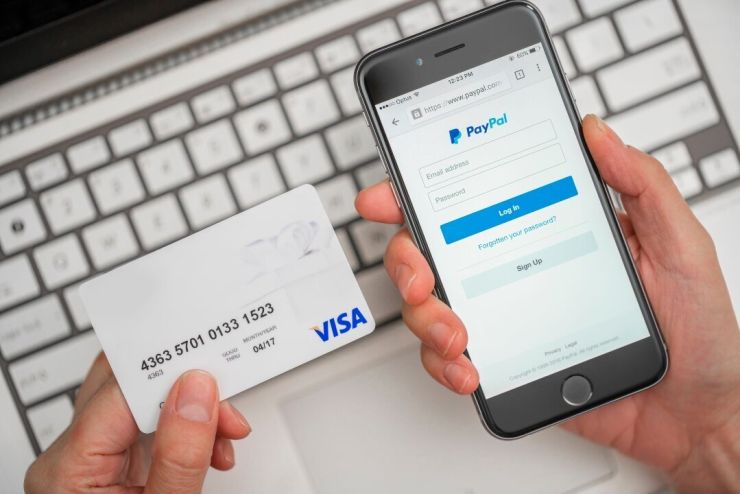
- PayPal, which is one of the world’s largest and most recognisable international money transfer companies, has confirmed that it will cease operating domestically in India.
- The firm was cagey about its reasons for making the move, though it did say that its priorities had changed since it opened up there around four years ago.
- It comes after the firm denied just a couple of months ago that it would be making the move.
The world’s most famous cross-border payments firm has announced that it will be ending its domestic business in one of the world’s most buoyant markets.
PayPal, which set up shop for local transfers in India just a few years ago, will stop offering local payments within the country from the start of April of this year.
It will continue to offer international money transfers out of India to other countries.
In a statement, PayPal was cautious about sharing the reasons for making the move out of the country.
The company did attempt to put a positive gloss on the decision.
“From 1 April 2021, we will focus all our attention on enabling more international sales for Indian businesses, and shift focus away from our domestic products in India,” said a spokesperson.
However, they confirmed that the company would be stopping its internal services in just a few weeks.
“This means we will no longer offer domestic payment services within India from 1 April,” the spokesperson added.
In a further statement given to an online news website, the firm said that it had been able to preserve jobs by moving employees across to work in other parts of the business.
“With the shift in priorities, some PayPal employees have been reassigned to new teams.”
“Our focus is to always minimize the impact on our people whenever possible. Overall, our workforce is growing in India, not reducing,” they said.
The spokesperson also said that job vacancies were available across the Indian market.
“We are currently recruiting across our sites in India in large numbers,” they added.
There has been a lot of speculation in the finance press as to why PayPal has made this move.
One said that the company had found itself unable to attract sufficient numbers of customers in the country.
Rumours about a potential decision like this abounded late last year – at the time, however, the company denied it.
Mobile phone payments are particularly popular in India, and it is understood that demand for this will see a value of around $1tn in a couple of years.
PayPal has managed to secure a variety of partnerships with other companies in the country.
These include Swiggy, a service designed to deliver food to people’s homes.
In terms of international selling, meanwhile, PayPal claims to have put through well in excess of $1bn per year in global sales for sellers.
To stay abreast of the latest product innovations and launches in the online money transfer sector, just head over to our reviews pages and have a read.