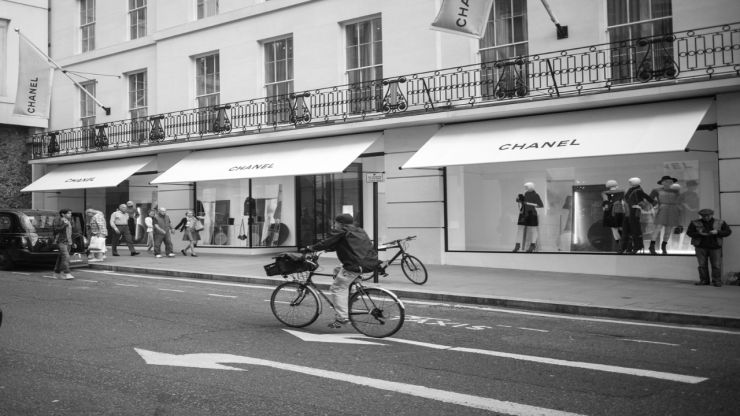

- In the ever-evolving world of luxury fashion, high-end second-hand sales have become a significant market, and Chanel is leading the way, according to a report by Gugus.
- The market for luxury goods has experienced a significant shift in recent years, with the emergence of second-hand apps as a popular platform for high net-worth individuals (HNWIs) looking to purchase high-end items.
- HNWIs should make sure that they use a safe mode of money transfer when making international payments.
In a recent report released by Gugus, a platform specialising in selling pre-owned luxury goods, it was revealed that Chanel was the most popular luxury brand for resale this year.
The data from January to September highlighted a significant trend of younger South Koreans and Europeans actively trading second-hand ‘luxury’ items, which indicates a shift in consumer behaviour and a growing acceptance of the resale market.
As consumers embrace the resale trend, Chanel and other luxury brands continue to dominate the second-hand market. Chanel, followed closely by Rolex, Hermès, Cartier and Louis Vuitton – collectively referred to as the ‘Elusha’ trio of luxury brands – have maintained their popularity and appeal among shoppers.
Bags are the most popular category for resale, accounting for 49% of all resale purchases, followed by watches, jewellery, clothing and shoes at 21%, 13%, 9% and 4% respectively.
International HNWIs purchasing luxury products from abroad should use a safe money transfer method when making payments.
Some items, however, are selling for higher prices than their brand-new counterparts, proving the enduring value of luxury brands. For instance, the Audemars Piguet Royal Oak Gold watch recently sold for $80,748 – a resale increase of $18,520 more than its original retail price.
According to a report by Lightning Marketplace, the trend of trading luxury goods through apps is particularly prevalent among the younger generations. In fact, 76% of those involved in used luxury goods transactions were Millennials or from Generation Z, collectively known as Generation MZ.
The report also indicated that more than 50% of this generation are engaging in buying and selling activities at a higher rate than other generations within a year of purchasing them.
As the resale market continues to grow more competitive, various platforms are adapting their business models to stay ahead. One such adaptation is the move toward the consignment model, which allows platforms to attract and compete for luxury sellers.
This trend is fuelled by the projected growth of the luxury resale industry, which is expected to exceed $50bn by 2026 as more brands establish their own in-house resale platforms.
HNWIs interested in purchasing luxury resale fashion items from private sellers and well-known luxury brands should research safe international money transfer options when transferring money overseas.
Wealthy individuals looking to invest in luxury pieces can use our online money transfer comparison tool to discover the best currency exchange rates.