

Investing in property abroad is an exciting opportunity, whether you are looking to diversify your property portfolio, earn returns from short-term rentals, own a holiday home or even take your first steps towards citizenship in a new country.
If you’re looking to take the plunge and buy property abroad in 2026, below are some major destinations where Brits are investing abroad, why they might be a good fit and any potential challenges you might face. We’ve also included some handy tips you should think about when buying property in another country.
One of the most important things to remember is that in order to buy property abroad, you’ll need a way to send large amounts of money across borders safely. With FXcompared, you can compare money transfer providers who will help you send money abroad efficiently and without racking up huge FX fees and hidden costs.
Without further ado, here’s a few locations where you could consider investing in 2026.
Spain

Spain is a hugely popular destination with UK tourists and expats alike for its mix of sunny weather, endless stretches of beaches, cities packed full of culture and some of the best food in Europe. The country has a strong property market with plenty of buyers and sellers, with the promise of tourism driving demand for short-term rental opportunities in many areas.
According to data from Idealista cited by Inmo Investments, Brits remained leading property buyers in Spain in the first half of 2025, accounting for 8% of all transactions. Popular destinations involve large urban centres such as Madrid, Barcelona and Málaga, though many favour the diverse property markets and sunny beaches of the Costa del Sol.
Things to watch out for when investing:
- Spain has recently introduced new rules around short term rentals in the Andalucia region, specifically targeting rentals under 60 days.
- The country has now abolished its Golden Visa programme, which had previously allowed non-EU citizens to obtain residency in the country as long as they made a significant investment.
Portugal

Portugal is another strong investment option for UK buyers, offering comfortable sun and sea and easy access to other countries across Europe, Africa and the US. Portugal is known for being amongst the safest countries to live in Europe, with low crime rates and political stability, and its healthcare system has also ranked highly in some studies compared to other countries globally.
According to a recent EU forecast, the country is also set to see continued economic growth amid global trade uncertainty, making it a strong location to invest in for the future. Overseas buyers often look to buy property on the Algarve, Portugal’s southernmost region famed for beaches and golf resorts; the bustling urban sprawls of Lisbon and Porto; and the island of Madeira.
Things to watch out for when investing:
- The Portuguese government has announced a flat 7.5% Municipal Property Transfer Tax (IMT) on most home purchases by non‑residents.
- Portugal has recorded a 17.7% rise in house prices in Q3 2025, which is significantly higher than the average across EU member states of 5.5%, according to figures from Eurostat cited by the Portugal News.
France
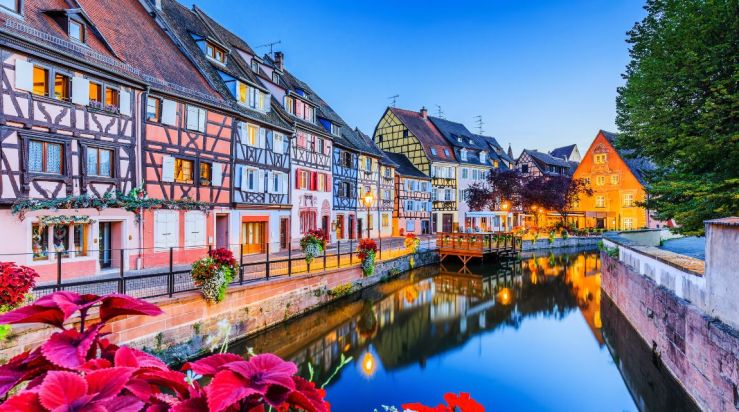
With its mix of sophisticated cities, beautiful countryside and coastlines, France has something for everyone looking to buy property abroad. It has significant short-term rental opportunities, with France being the world’s most visited country, but can just as easily suit professionals looking for job opportunities in one of France’s populous cities, or retirees or families looking to settle down abroad.
France also benefits from being the UK’s nearest continental neighbour and is easily accessible by a myriad of transport options. Beyond France’s cities, strong destinations for buying property include Brittany and Burgundy for countryside and historical towns; the Alps for skiing and the great outdoors; or warmer locations on the French Riviera.
Things to watch out for when investing:
- The government has approved measures limiting tax advantages of furnished tourist rentals and giving municipalities greater power to regulate them.
- In France, notaries (i.e. government-appointed legal officials) are responsible for handling transactions and apply fees for property purchases – reports suggest these tend to be higher for older properties than new builds.
Greece

Greece is one of Europe’s most popular destinations for visitors due to its beautiful scenery, relatively low cost of living compared to other countries and lower entry prices than some parts of Western Europe, depending on where you buy. Tourists continue to drive demand for short term rentals across the country.
Greece also offers a Golden Visa programme, meaning non-EU nationals are able to gain a residence permit to the country if they invest €250,000 in real estate. The International Monetary Fund also notes that Greece has also seen a significant economic recovery in recent years, with reforms leading to the country’s public debt declining significantly compared to other European countries. Greece has also seen a vast €10bn urban redevelopment scheme on the Athernian Riviera – the Ellinikon project – specifically targeting demand for luxury real estate from foreign investors.
Things to watch out for when investing:
- Some new rules have recently come into effect for short-term rentals, with managers of properties being required to meet minimum standards, amenities, health and safety measures and insurance.
- Be aware that returns on short term rental properties may be influenced by seasonal shifts, with tourism being much heavier in Greece during the summer months.
Key points to remember when investing in property abroad
No matter where you choose to invest, buying a property abroad is an incredibly exciting prospect. However, some major issues can crop up if you aren’t prepared. Here are some key things to remember on your property investment journey.
- Choose your location based on demand first over price: A property might be a great price at first glance, but remember this might be due to lower rental demand or low resale potential. Make sure you have a good understanding of the property and the local area, as well as how prices might have trended up and down over the years
- Make sure you understand what you are buying: Ownership structures might vary – for example, foreigners can’t buy freehold properties in Thailand under their own name, while in Dubai they can only buy freehold properties in certain areas. When languages differ, it’s even more important to know exactly what your ownership covers, so ensure you are clear on this with your solicitor.
- Check the rules and regulations around renting: As we’ve hopefully highlighted above, rules and regulations around rentings can differ across countries. If you’re hoping to get returns from renting out your property, make sure you’ll be able to do this before putting a deposit down.
- Budget beyond the offer amount: You might have seemingly found a property that fits the bill and is in budget, but don’t forget about any local property taxes, administrative costs or notary charges you’ll have to pay on top. Plus, remember to factor in ongoing expenses involved with owning the property, from bills and taxes to management fees if you are hiring a company to do this.
- Use independent professionals: Some estate agents might have solicitors and surveyors attached, but refraine from using these. Instead use independent professionals to avoid hidden legal issues.
- Don’t underestimate money transfer fees: If you’re making large deposit payments or paying related parties (e.g. solicitors), you may face hefty FX fees for sending money abroad and exchanging currencies to that party’s local currency. In order to avoid paying more than you need to, it’s a good idea to compare trusted money transfer providers to ensure you get the best deal on your transfer.
Compare money transfer providers today with FXcompared
Investing in property abroad comes with strings attached, but one area of stress you can easily eliminate is in comparing money transfer providers when sending large sums of currency overseas.
Use FXcompared’s free money transfer comparison tool to find out how much you could save in seconds, or for more information on buying property abroad read our full guide here.